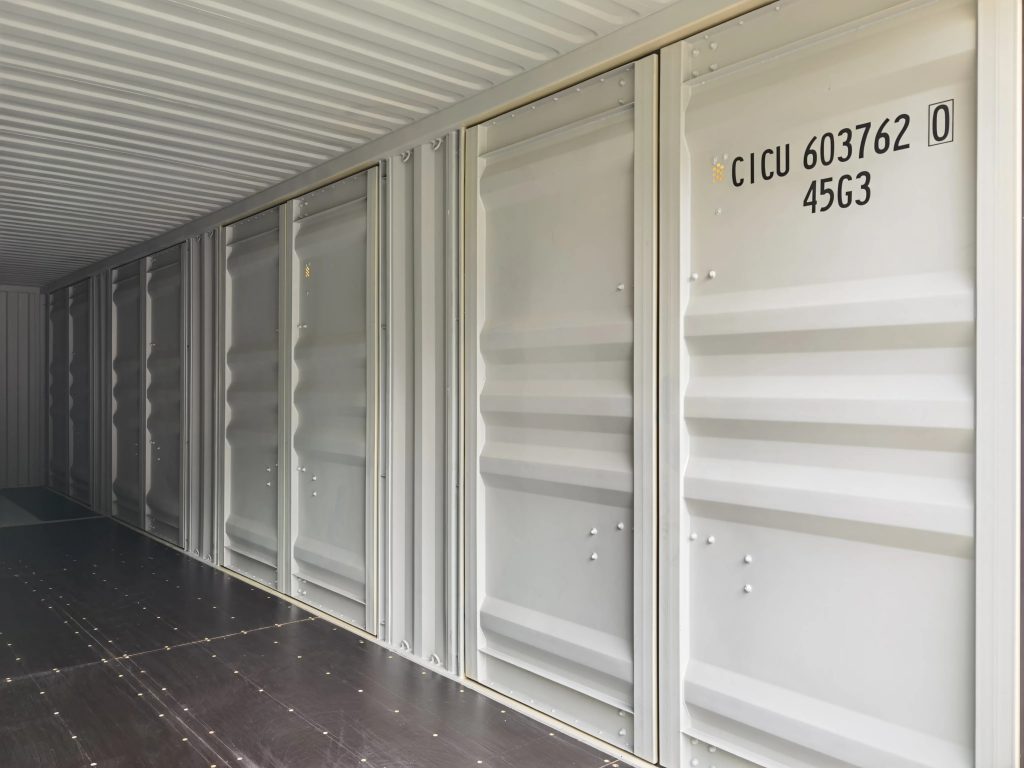
The 12 Most Unpleasant Types Of 45 Shipping Container Users You Follow On Twitter
Shipping Containers: An Overview of Their Versatility and Uses
Shipping containers have actually reinvented the way items are carried around the world. Beyond their main function of shipping cargo, they have discovered applications in different industries, showing to be not just a method of transport however likewise a versatile structure product. This post will check out the numerous usages of shipping containers, the benefits they use, and respond to frequently asked concerns about them.
A Brief History of Shipping Containers
The principle of standardized shipping containers was presented in the 1950s by Malcolm McLean, a trucker who understood the inadequacies of loading and unloading cargo by hand. He produced the intermodal shipping container, enabling goods to be carried flawlessly between trucks, ships, and rail systems. This innovation not only accelerated shipping times but likewise substantially decreased costs connected with cargo handling.
Types of Shipping Containers
Shipping containers can be found in numerous types and sizes. The basic container size is 20 feet and 40 feet in length, but they can vary based upon their purpose.
Type
Dimensions (ft)
Typical Use
Standard Container
20' x 8' x 8.5'
General cargo transport
High Cube Container
40' x 8' x 9.5'
Goods needing extra vertical area
Refrigerated Container
40' x 8' x 9.5'
Perishable products transport
Open Top Container
20' or 40'
Cargo that requires to be filled from above
Flat Rack Container
Various
Over-sized items that can not fit within standard containers
Tank Container
20'
Liquids transportation
Table 1: Types and Uses of Shipping Containers
The Versatility of Shipping Containers
Shipping containers can be repurposed for a myriad of applications beyond their original use. Here are some common innovative usages:
1. Residential Housing
- Shipping containers can be converted into budget-friendly, sustainable real estate.
- Their modular nature allows for versatile designs and designs.
2. Offices and Workspaces
- Numerous business select shipping containers as short-lived or long-term office.
- Containers are quickly transportable and can be customized with windows, insulation, and electrical energy.
3. Retail Spaces
- Ingenious services have actually utilized shipping containers as pop-up shops, coffee shops, and boutiques, creating trendy and unique shopping experiences.
4. Storage Solutions
- Their resilience makes shipping containers exceptional storage units. 45ft Container Dimensions can be used for both individual and commercial storage requirements.
5. Farming and Agriculture
- Shipping containers are significantly being used for vertical farming, hydroponics, and even beekeeping, supplying a regulated environment for farming.
6. Neighborhood Projects
- Containers can be repurposed as recreation center, shelters, and instructional areas, making them important possessions for non-profit companies.
7. Catastrophe Relief
- Shipping containers can be rapidly released as short-term shelters and storage after natural disasters, supplying instant assistance to affected communities.
8. Art Installations
- Artists have actually utilized the structure of shipping containers to produce engaging art installations and galleries, typically focusing on styles of mobility and globalization.
Table 2: Innovative Uses of Shipping Containers
Use
Description
Residential Housing
Budget-friendly, modular homes
Workplaces
Customizable work spaces
Retail Spaces
Creative pop-up shops and cafes
Storage Solutions
Durable and safe storage systems
Farming and Agriculture
Managed environments for crops
Neighborhood Projects
Centers for education and outreach
Disaster Relief
Temporary shelters for impacted communities
Art Installations
Engaging public art experiences
Benefits of Shipping Containers
Shipping containers offer a number of benefits that make them a favored choice for different markets.
Cost-efficient: Compared to conventional structure products, shipping containers can conserve considerable cash, specifically for building and construction tasks.
Toughness: Made from weather-resistant steel, containers are built to withstand extreme conditions, making them a trusted alternative for long-term usage.
Mobility: Their style enables easy transportation by means of trucks, ships, and trains, contributing to their practical attraction.
Eco-Friendly: Repurposing containers for brand-new uses contributes to sustainability by decreasing waste and the requirement for brand-new materials.
Personalization: Shipping containers can be easily customized to fit numerous requirements, whether for domestic, industrial, or artistic applications.
Often Asked Questions (FAQ)
1. How much do shipping containers cost?
The cost of shipping containers differs based upon condition, size, and area. Normally, a used 20-foot container can vary from ₤ 1,500 to ₤ 3,000, while new containers can cost considerably more.
2. Do shipping containers need authorizations for conversion?
Yes, most regional federal governments require licenses for transforming shipping containers into livable or business areas. It's vital to examine regional policies before beginning any task.
3. Are shipping containers insulated?
A lot of shipping containers are not insulated, but they can be retrofitted with insulation products if they are to be used for living or office areas to ensure environment control.
4. For how long do shipping containers last?
With appropriate maintenance, shipping containers can last for 25 years or more, depending upon their use and environmental conditions.
5. Can you stack shipping containers?
Yes, shipping containers are designed to be stackable. When used for construction or storage, they can be stacked to take full advantage of space.
Shipping containers are not just a way of transportation; they are a foundation of modern logistical and architectural developments. From budget-friendly housing to special retail experiences, their adaptability is unequaled. Understanding the potential of shipping containers can motivate imagination and sustainability, making them a significant consideration for future jobs. Whether for individual usage, commercial applications, or community initiatives, the chances presented by shipping containers are as large as the oceans they traverse.